

History of the Institute
History of the Conservation Center
In the late 1950s, when the Fogg Museum at Harvard University ceased to accept apprentices, no opportunities for formal academic training in conservation existed in North America. To foster the idea of a training program under the jurisdiction of a university, Sheldon Keck suggested to Craig Hugh Smyth, director of the Institute of Fine Arts, that the school consider introducing coursework in art conservation. As the Institute’s mission was to provide graduate education in art, archaeology, and museum training, conservation seemed a logical addition to its curriculum. A conference that included lectures by Carolyn and Sheldon Keck, conservators at the Brooklyn Museum, was sponsored by the Rockefeller Foundation to explore the prospect of conservation education. The outcome was a statement justifying the need for such a program. The statement helped convince the Institute of Fine Arts to move forward and provided a compelling argument for funding.
In 1958, a proposal was submitted to the Rockefeller Foundation requesting initial financial support. In addition to Sheldon Keck and Craig Hugh Smyth, other signees included George Stout, director of the Isabella Stewart Gardner Museum; Murray Pease, conservator at the Metropolitan Museum of Art; and Frederick B. Adams, Jr., director of the Pierpont Morgan Library. As conceived, the program called for equal measures of art historical study, scientific training, and practical conservation experience. The goal was to produce a professional who would approach each object as a separate and individual problem, the solution to which would be determined through research and study, unlike the tradesman restorer’s approach, which applied standard treatments to objects and problems.
The application was successful, and in 1960, the Conservation Center opened its modest laboratory in the cellar and sub-basement of the James B. Duke House. Five students were accepted into the first class, which included Mary Todd Glaser, Phoebe Dent Weil, and Benjamin Johnson. When they began their studies, the faculty consisted of Research Associate Lawrence J. Majewski and Visiting Scientist Edward Sayre (who was succeeded in the spring term by Visiting Scientist Robert Feller). In September 1961, Sheldon Keck joined the staff as director of the Conservation Center, while Dr. Seymour Lewin and Dr. Jane Sheridan were hired as professors of conservation science.
From its inception, research in the properties of materials and the processes of deterioration was carried out in the Conservation Center. Among the earliest research studies were Lawrence Majewski’s and Edward Sayre’s study of the deterioration of Giotto’s frescos in the Arena Chapel, Padua, carried out in cooperation with Leonetto Tintori’s and Seymour Lewin’s long term investigation of the mechanisms of stone deterioration which was begun at the urging of Ugo Procacci, superintendent of monuments in Florence. It was this study that brought Norbert Baer , then a research assistant to Professor Lewin, to the Conservation Center in 1965.
Dr. Baer began teaching at the Center in 1969, and in 1986 was named Hagop Kevorkian Professor of Conservation. He also served as co-Chairman of the Center from 1975 to 1983, and again as Acting Chairman in 1986. Lawrence Majewski’s role in the program also expanded over the years. He became Chairman of the Center in 1966 after Sheldon Keck’s departure. He remained in that position until his retirement more than two decades later. Margaret Holben Ellis succeeded him as Chair in 1987, and in 2002, Michele D’Arcy Marincola , another Conservation Center graduate, succeeded her as Sherman Fairchild Chairman and Professor of Conservation.
The Conservation Center was initially housed in the former kitchen and wine cellar of the James B. Duke House until 1983, when it was moved across the street into a renovated townhouse at 14 East 78th Street — re-named the Stephen Chan House.
-
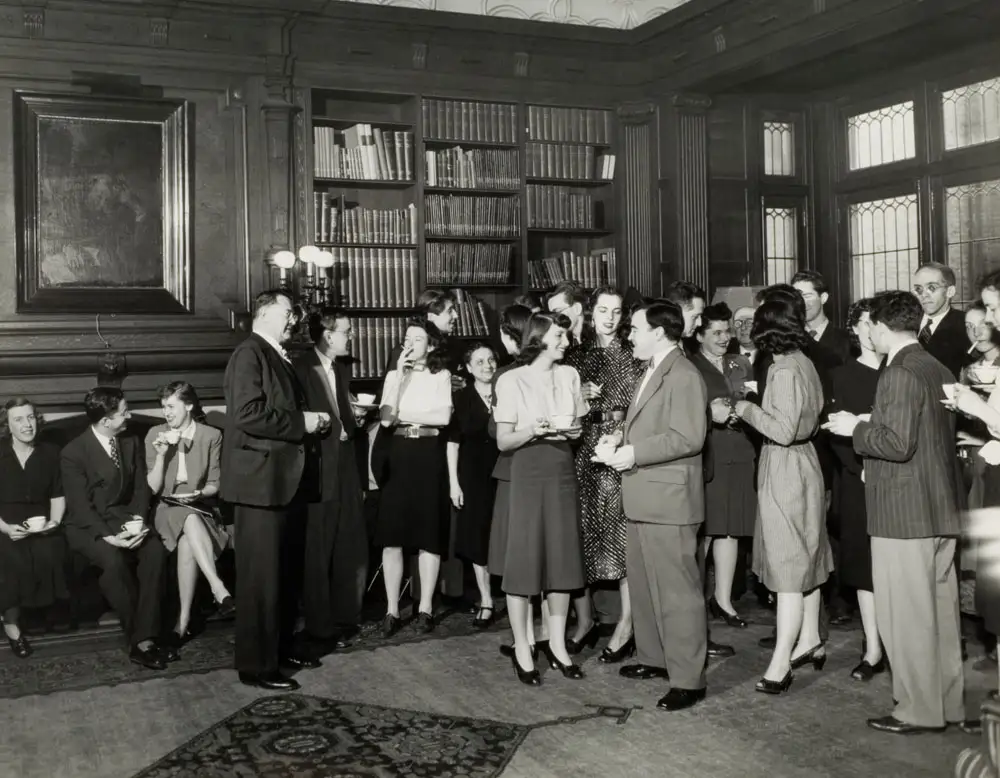 The Institute of Fine Arts
A Brief History
-
 New York University
The Gothic Tower and the Stork Club
-
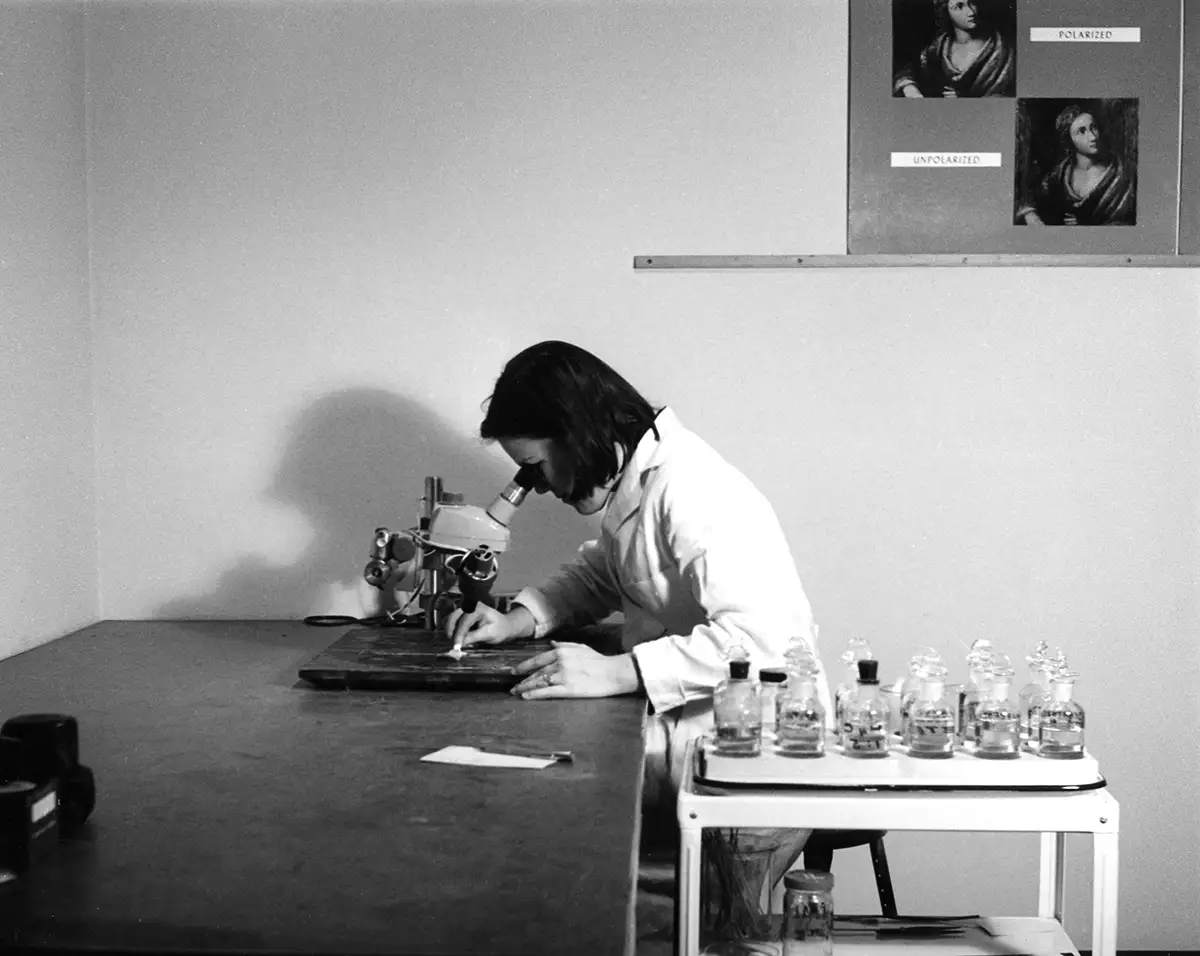 Conservation
History of the Conservation Center
-
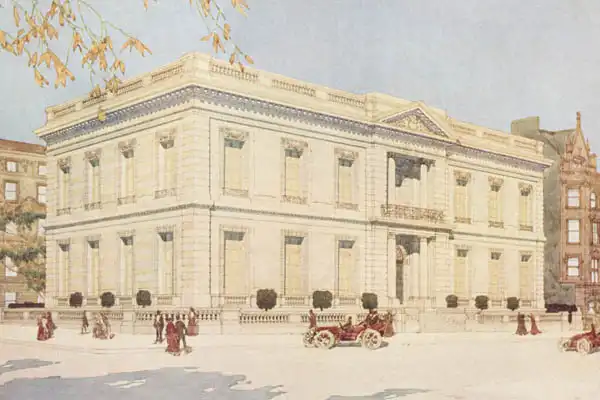 Duke House
Duke House and the Making of Modern New York: Lives and Afterlives of a Fifth Avenue Mansion
-
 Video
VideoExcerpt from Erik Gustafson's "The IFA You Didn't Know: An Archival Introduction to Our History"
-
 Symposium
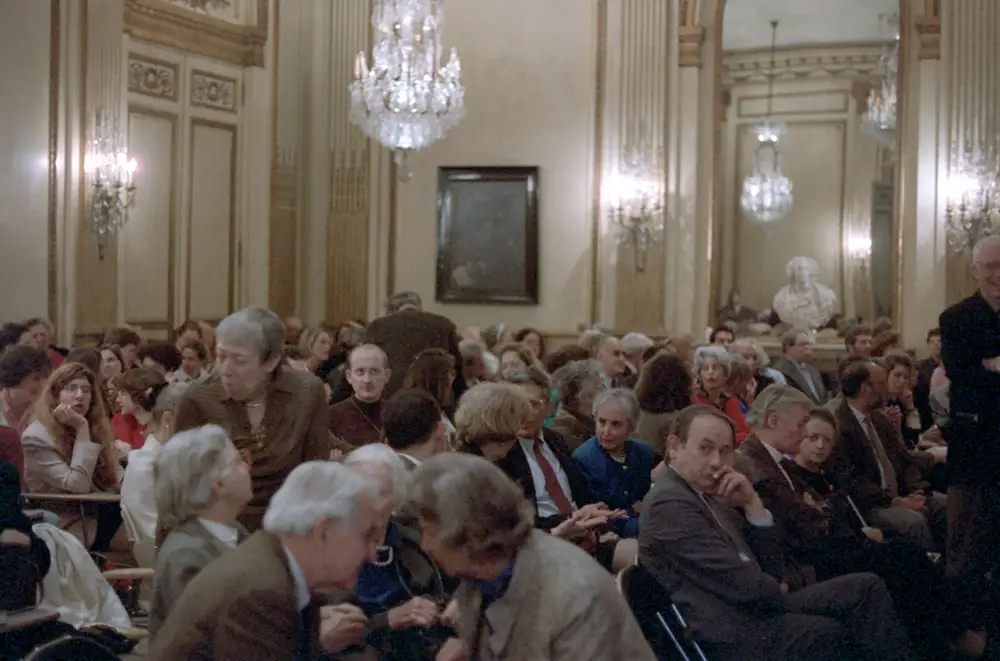
Duke House: A Case Study in Architecture, Decoration, and Art History
-
 Video
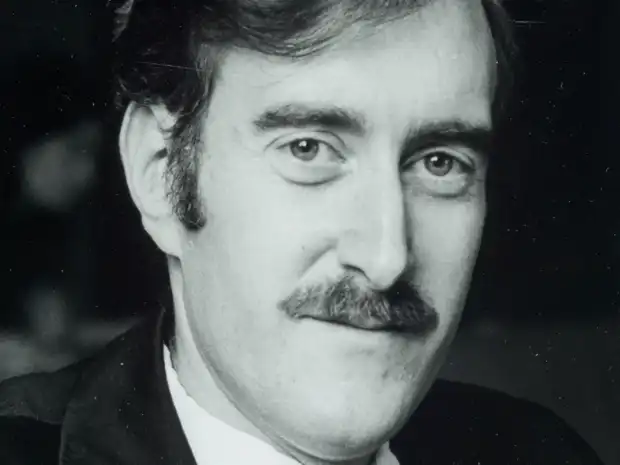
VideoOral Histories: Dr. Jonathan Brown