

History of the Institute
A Brief History
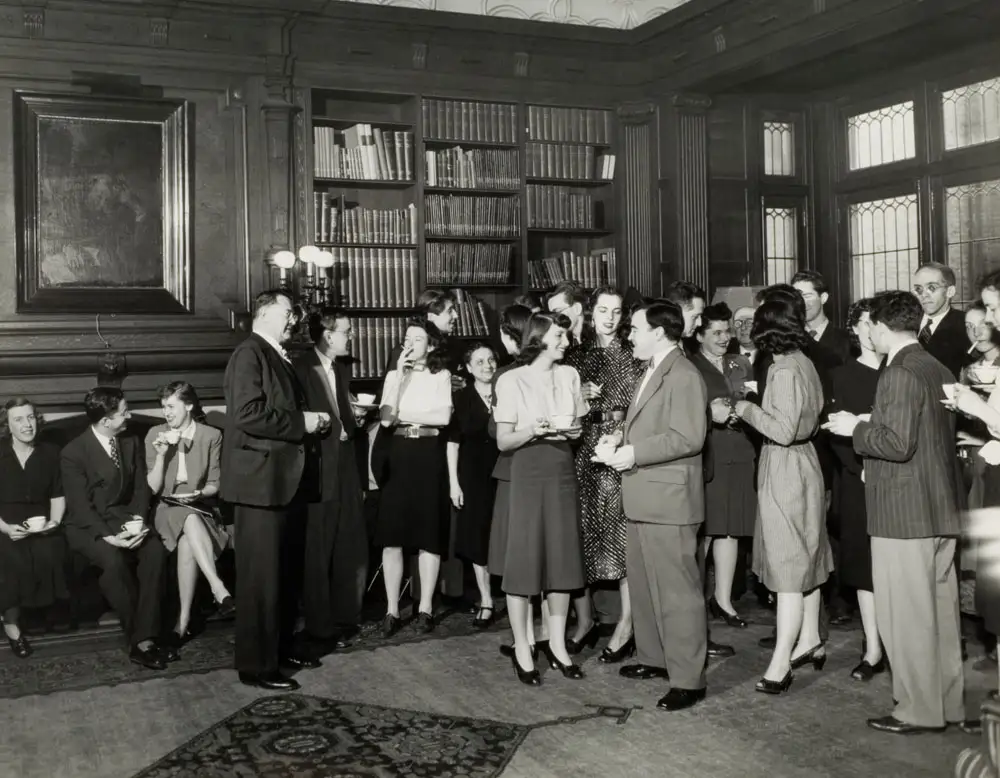
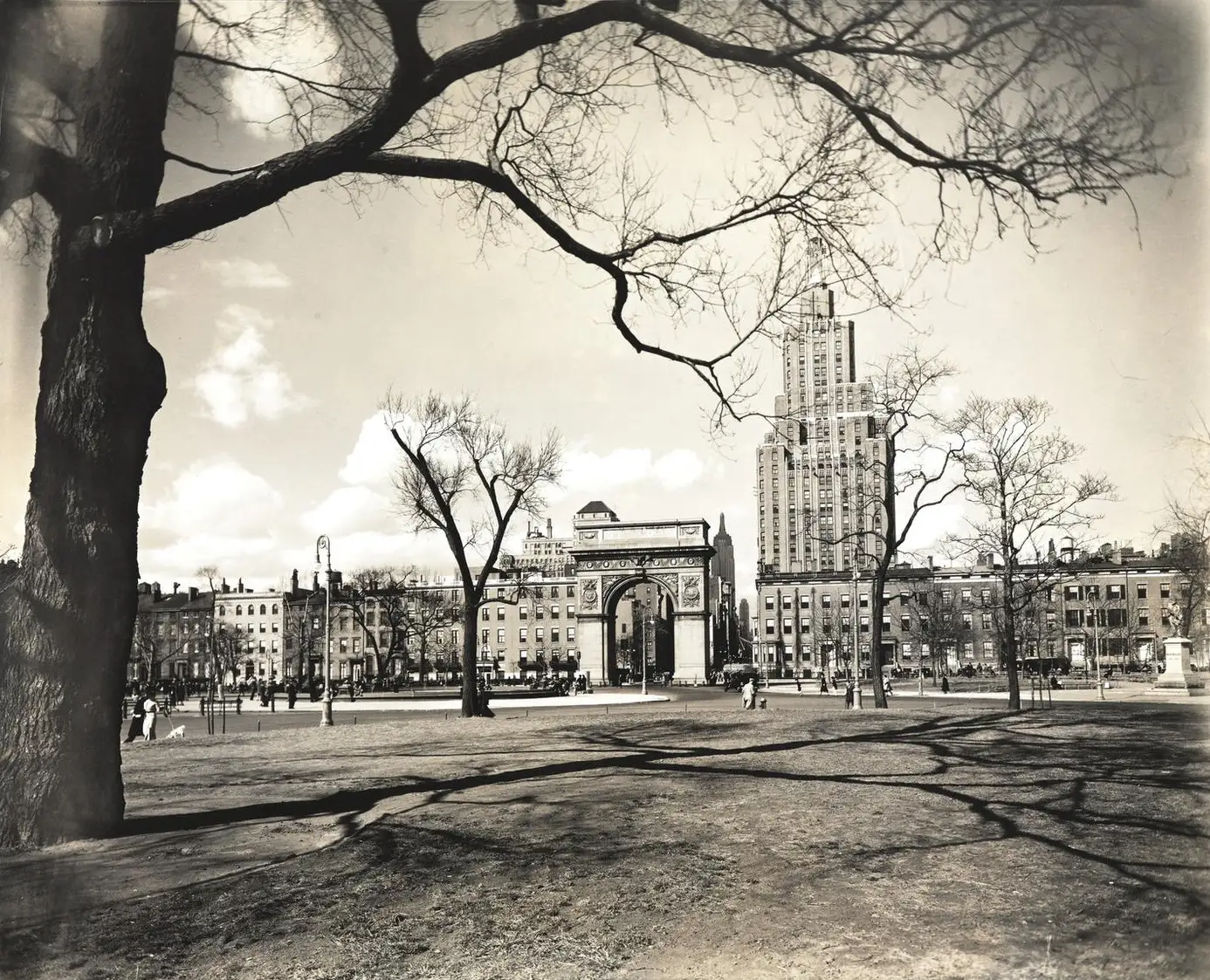
The Institute of Fine Arts can trace its origins to the founding of New York University. In 1831, the painter Samuel F. B. Morse, later famous as inventor of the telegraph, became the university's first Professor of Fine Arts, teaching both the practice and history of art. Art history became a dedicated field of study at NYU in 1922, when the young scholar-architect Fiske Kimball set out to establish a program in the history of art. He laid the foundation for much of what still distinguishes the Institute of Fine Arts: its core faculty of the highest quality, its special relationships with New York's museums, its liberal use of the special expertise of visiting faculty, and its active fundraising to sustain its twin commitments to graduate education and advanced research.
In 1932, NYU's graduate program in art history moved to the Upper East Side in order to teach in the collections of the Metropolitan Museum of Art. Under the energetic leadership of its chairman, Walter S. Cook, the program effectively leveraged the cultural and financial resources of New York to become one of the world's most distinguished centers for art historical research and education, renamed the Institute of Fine Arts in 1937. The Institute was strengthened greatly by refugee professors from the German and Austrian institutions that had given birth to the modern discipline of art history.
Foundational art historians such as Erwin Panofsky, Walter Friedlaender, Karl Lehmann, Julius Held, and Richard Krautheimer set the Institute on the course of rigorous, creative, and pluralistic scholarship and strong worldwide connections it continues to pursue today. In 1973, the National Endowment for the Humanities commended the Institute as a national asset for its leadership role in art historical scholarship and training. The Endowment is one of numerous institutional and private benefactors that continue to support the Institute's work.
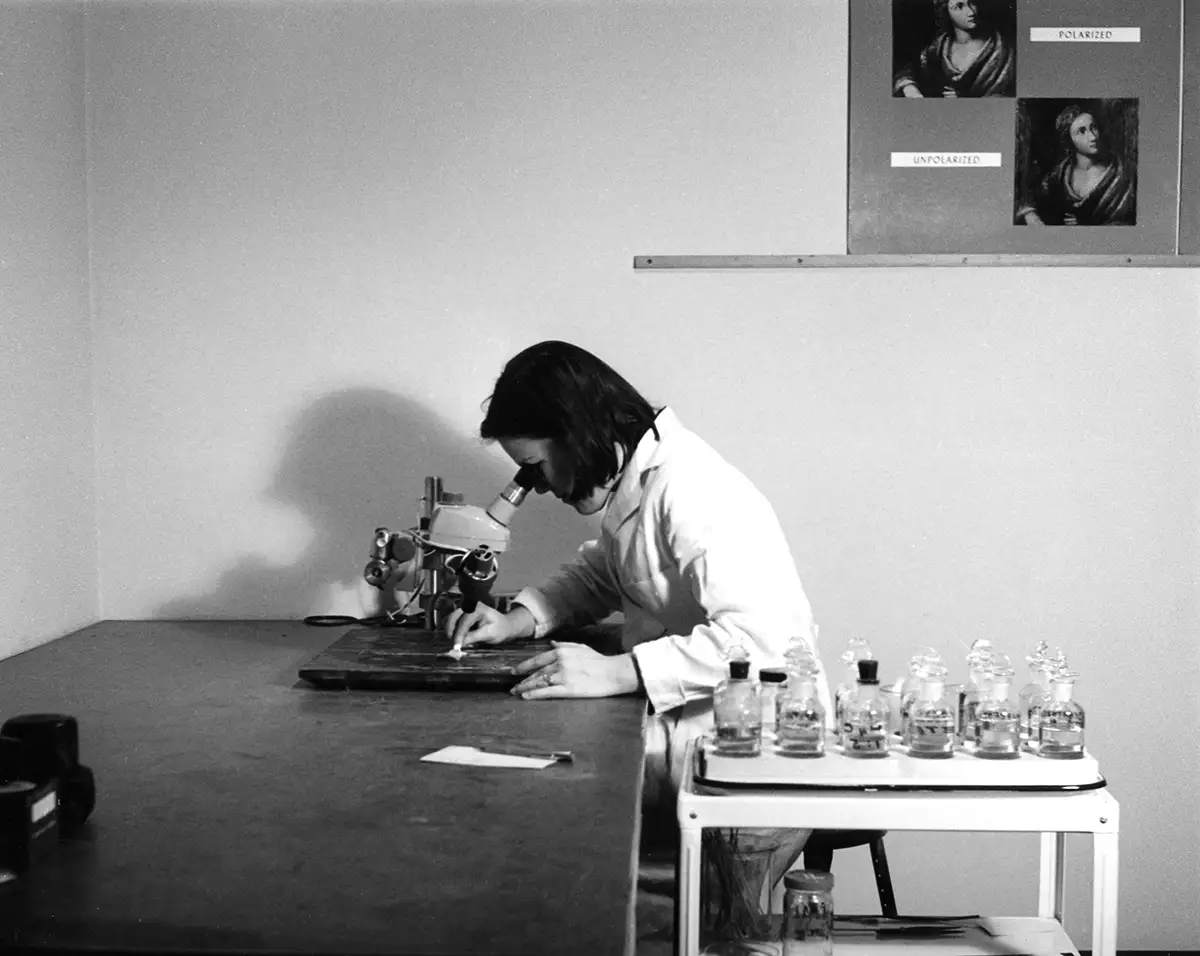
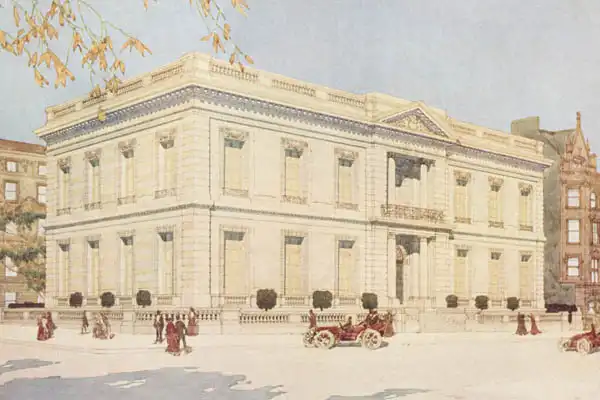
In 1958, Nanaline Duke and her daughter Doris Duke presented the Institute with the James B. Duke House at 1 East 78th Street. By the end of the year, Robert Venturi, then a young architect, had completed the remodeling of the house for the Institute's use. Two years later, the Institute became the first graduate program to offer university training in conservation. Initially located in the basement kitchen of the Duke House, the Conservation Center has been housed in the Stephen Chan House across the street since 1983. Almost from its inception, the Institute has conducted significant archaeological excavations staffed by its faculty and students. Excavations are currently thriving at Abydos, Egypt, at Aphrodisias, Turkey, at Selinunte, Italy, at the Sanctuary of the Gods in Samothrace, and at Sanam, Sudan.
-
 The Institute of Fine Arts
A Brief History
-
 New York University
The Gothic Tower and the Stork Club
-
 Conservation
History of the Conservation Center
-
 Duke House
Duke House and the Making of Modern New York: Lives and Afterlives of a Fifth Avenue Mansion
-
 Video
VideoExcerpt from Erik Gustafson's "The IFA You Didn't Know: An Archival Introduction to Our History"
-
 Symposium
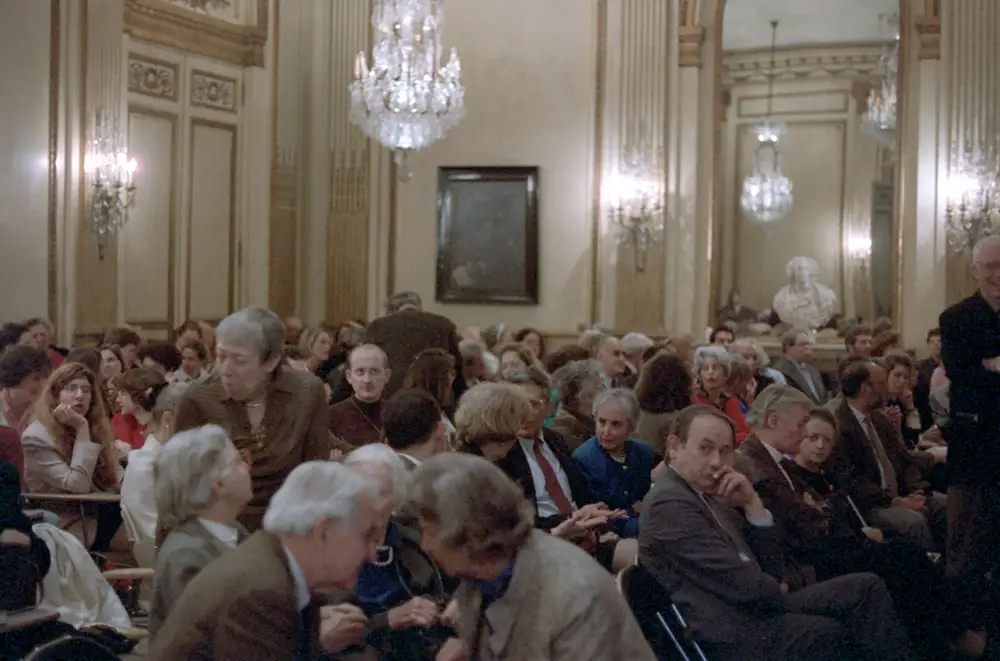
Duke House: A Case Study in Architecture, Decoration, and Art History
-
 Video
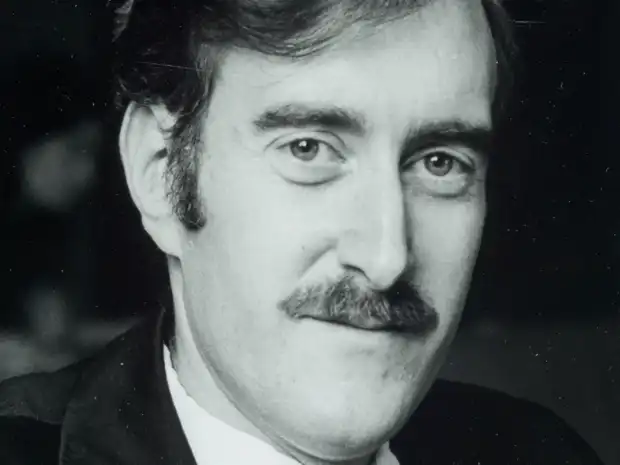
VideoOral Histories: Dr. Jonathan Brown