

Central Asia Initiative
The Institute of Fine Arts has a distinguished history in Central Asian art historical scholarship, beginning with Alfred Salmony's pioneering 1949 course on the painting of the Russian Steppe District and continuing through Alexander Soper's 1971 explorations of the Buddhist art of Gandhara, Afghanistan, and Central Asia. Building on this legacy, the IFA's new Central Asia Initiative extends our commitment to the region through contemporary research and field-building.
Upcoming Events
Artists at the Institute
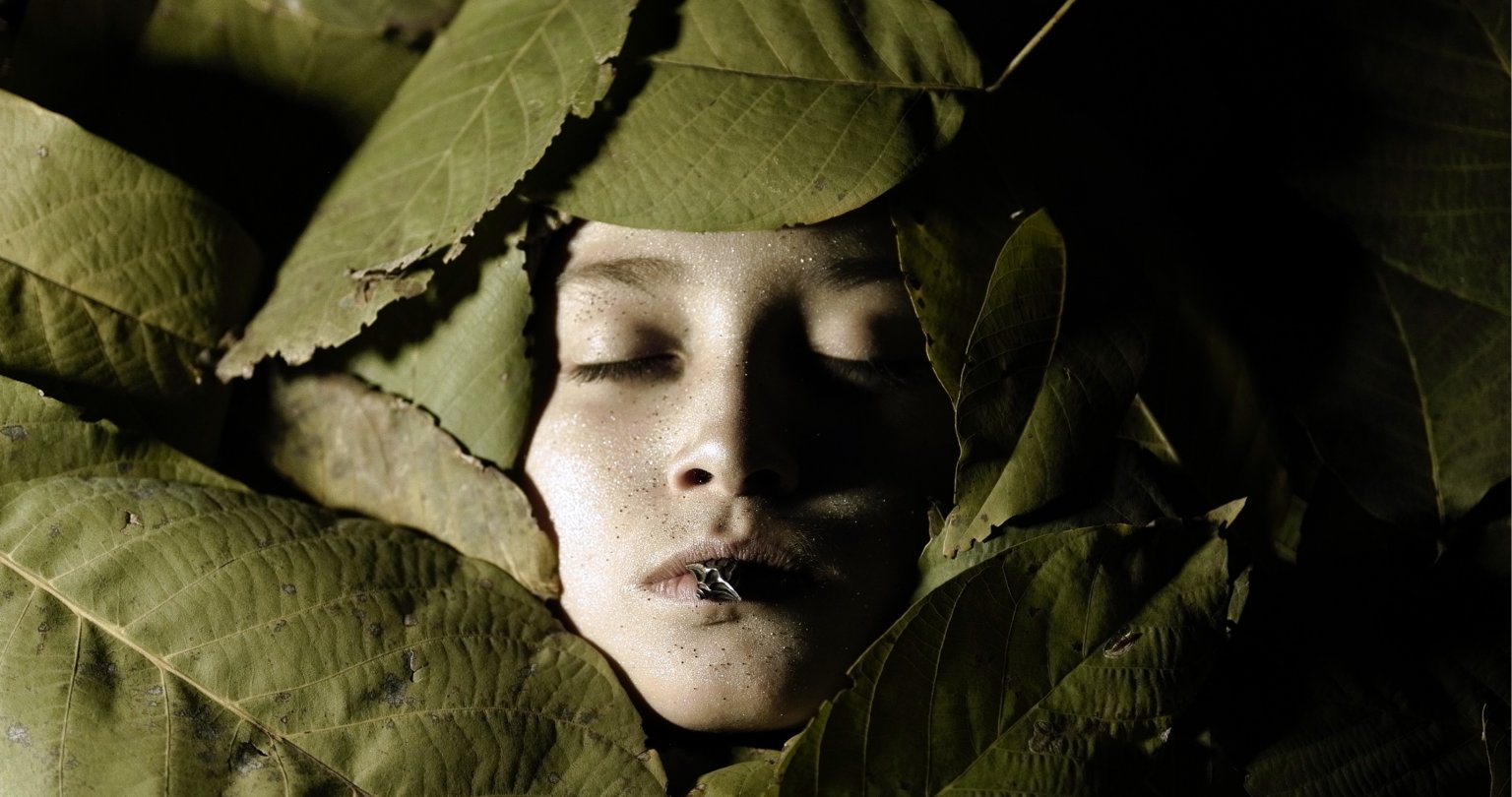
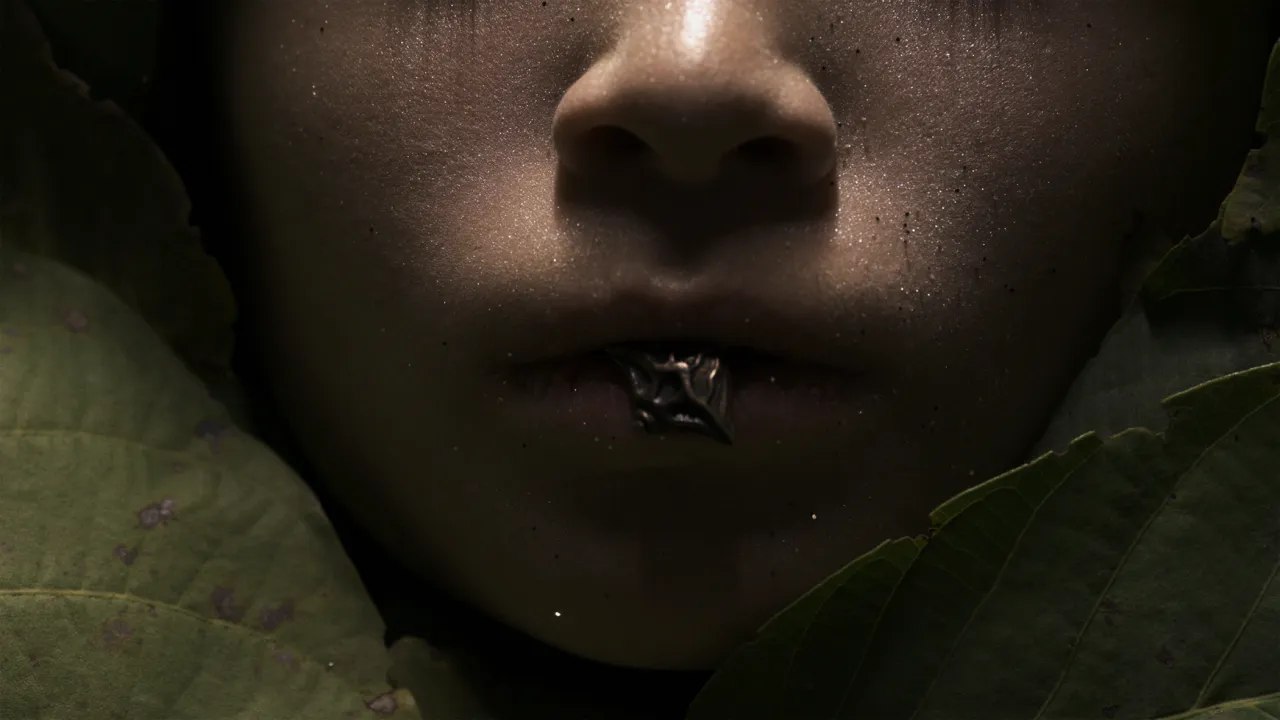
Saodat Ismailova
April 7, 2026
A conversation with artist Saodat Ismailova in conjunction with her solo exhibition opening at the Swiss Institute on January 21, 2026 and continuing until April 12, 2026
Getty Foundation Connecting Art Histories
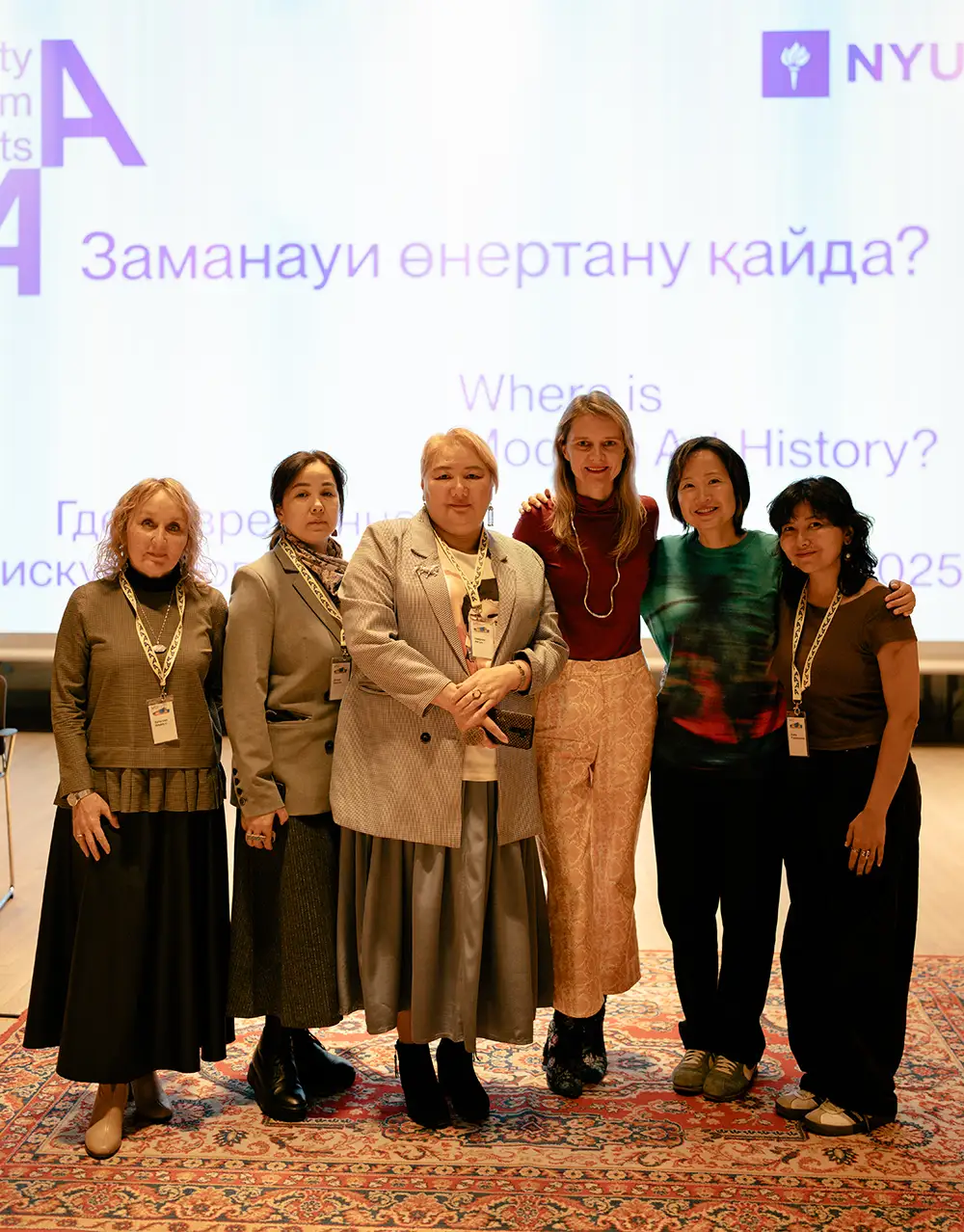
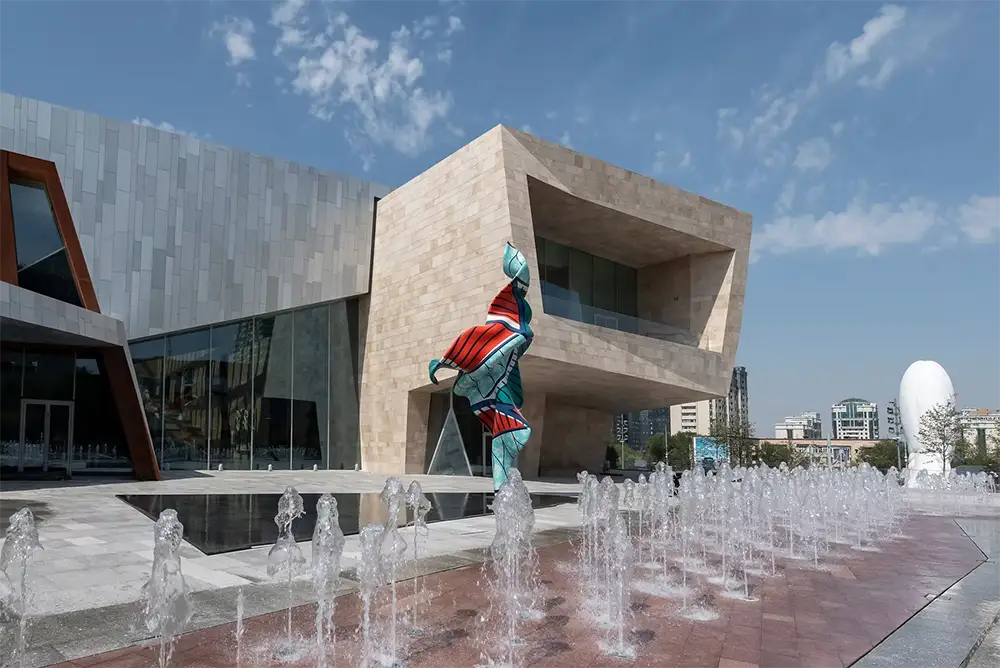
Supported by the Getty Foundation, Building the Field of Modern Art History in Central Asia is a this multi-year traveling seminar that explores modern and contemporary art across Central Asia through sustained scholarly engagement and international collaboration. Organized by Director Joan Kee, Almaty Museum of Arts Chief Curator Inga Lace and Tisch Performance Studies PhD candidate Anel Rakhimzhanova, the initiative launched in November 2025 with a week-long series of studio and institution visits with Kazakhstan-based colleagues, seminars, and evening public programs based at the Almaty Museum of Arts, Kazakhstan—the region's first private institution dedicated to modern and contemporary art—and will continue with convenings in Bishkek, Kyrgyzstan in August 2026 and at NYU London in January 2027. This initiative prioritizes building and strengthening networks of expertise across Central Asia anchored in independent research projects, artist collectives, and grassroots organizations operating outside government control and market pressures.
Core Participants
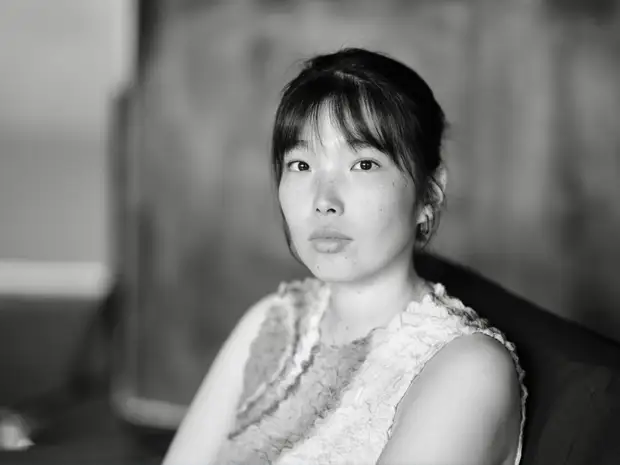
Aïda Adilbek is a multidisciplinary artist and curator based between Akzhar and Duman (Almaty, Kazakhstan). Read more about Aida
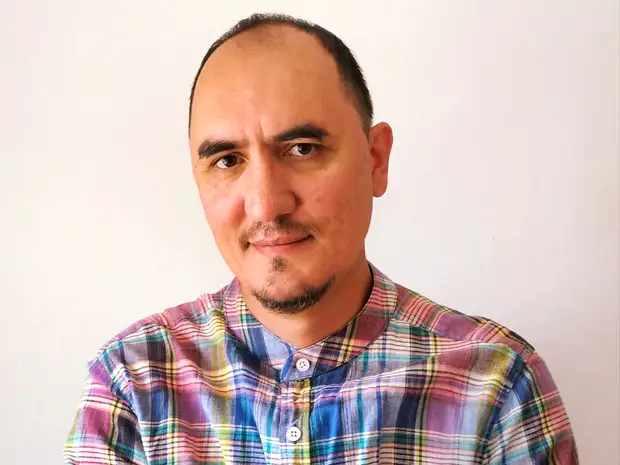
Aleksei Rumyantsev is an artist, art activist, and researcher who has participated in international contemporary art projects since 2006. Read more aboutabout Aleksei
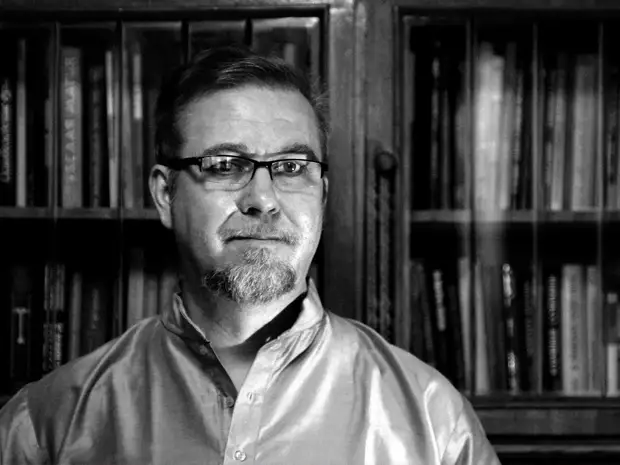
Alexey Ulko is an art critic and filmmaker based in Tashkent, Uzbekistan, with over thirty years of experience in education, cultural research, and interdisciplinary project design. Read more about Alexey
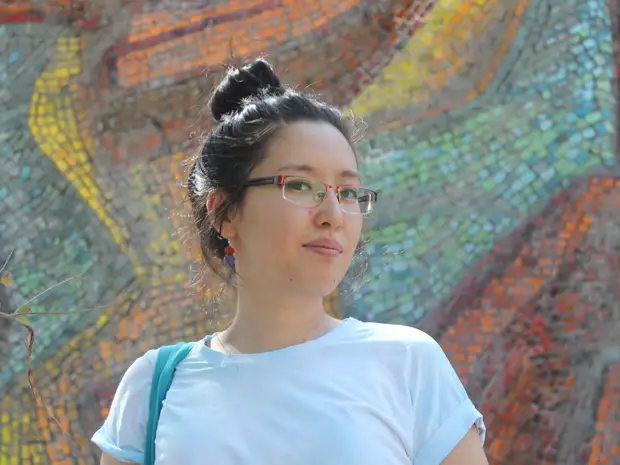
Alima Tokmergenova is a researcher and co-founder of the Bishkek School of Contemporary Art (BiSCA) and SYNERGY art studio / Laboratoria CI. Read more about Alima
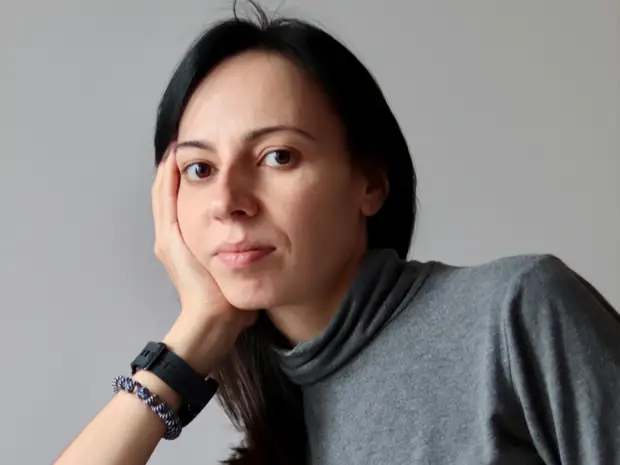
Diana Ukhina is a cultural researcher, curator, and multidisciplinary artist based in Bishkek, Kyrgyzstan. Read more about Diana
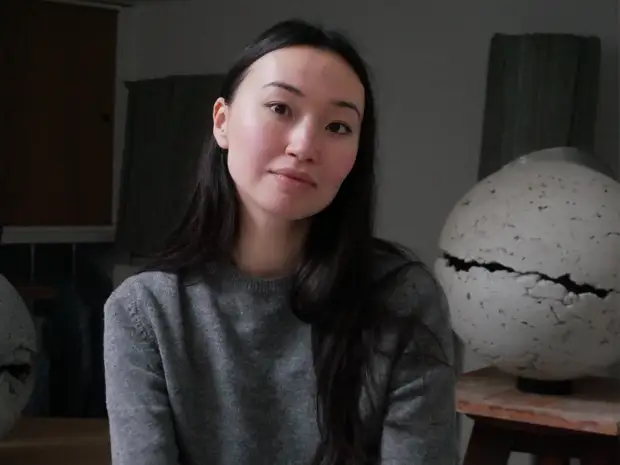
Dilda Ramazan is a curator and PhD candidate, member of DAVRA and Advisory Council at PittRivers Museum, Oxford. Read more about Dilda

Georgy Mamedov is an independent curator, writer, and activist. His work critically reinterprets Soviet socialism in Central Asia and the broader post-Soviet space. Read more aboutGeorgy
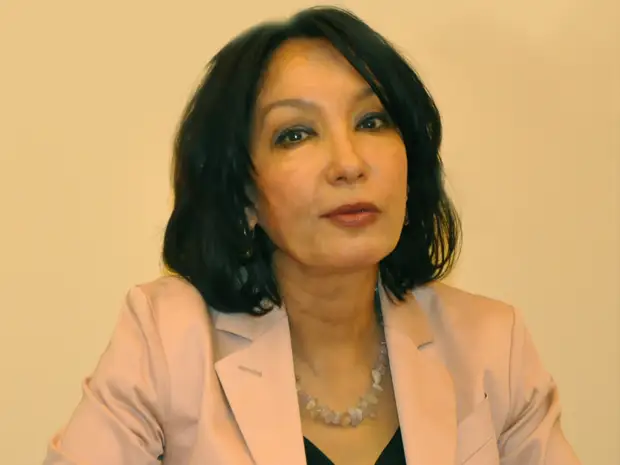
Nigora Akhmedova is a PhD in Art History, professor, and academician of the Academy of Arts of Uzbekistan, curator,as well as an honorary professor at T. Zhurgenov Kazakh National Academy of Arts. Read more about Nigora
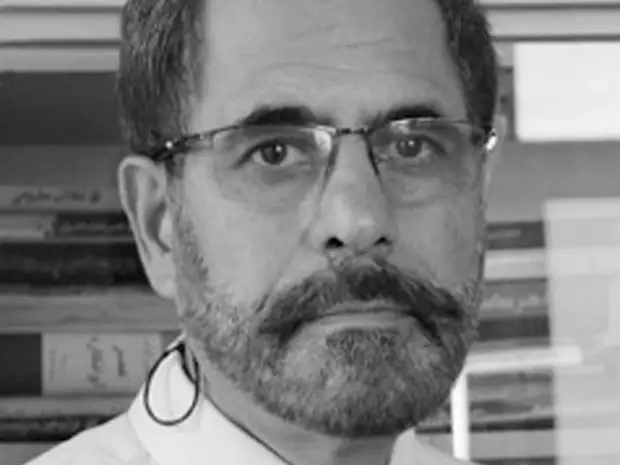
Rahraw Omarzad is a pioneering Afghan artist, writer, and educator whose work is exhibited and collected internationally, including at documenta 13 (Kassel). Omarzad taught at Kabul University’s Faculty of Fine Arts in 1991–92 and 2002–21. Read more about Rahraw
Research Assistants
Organizers
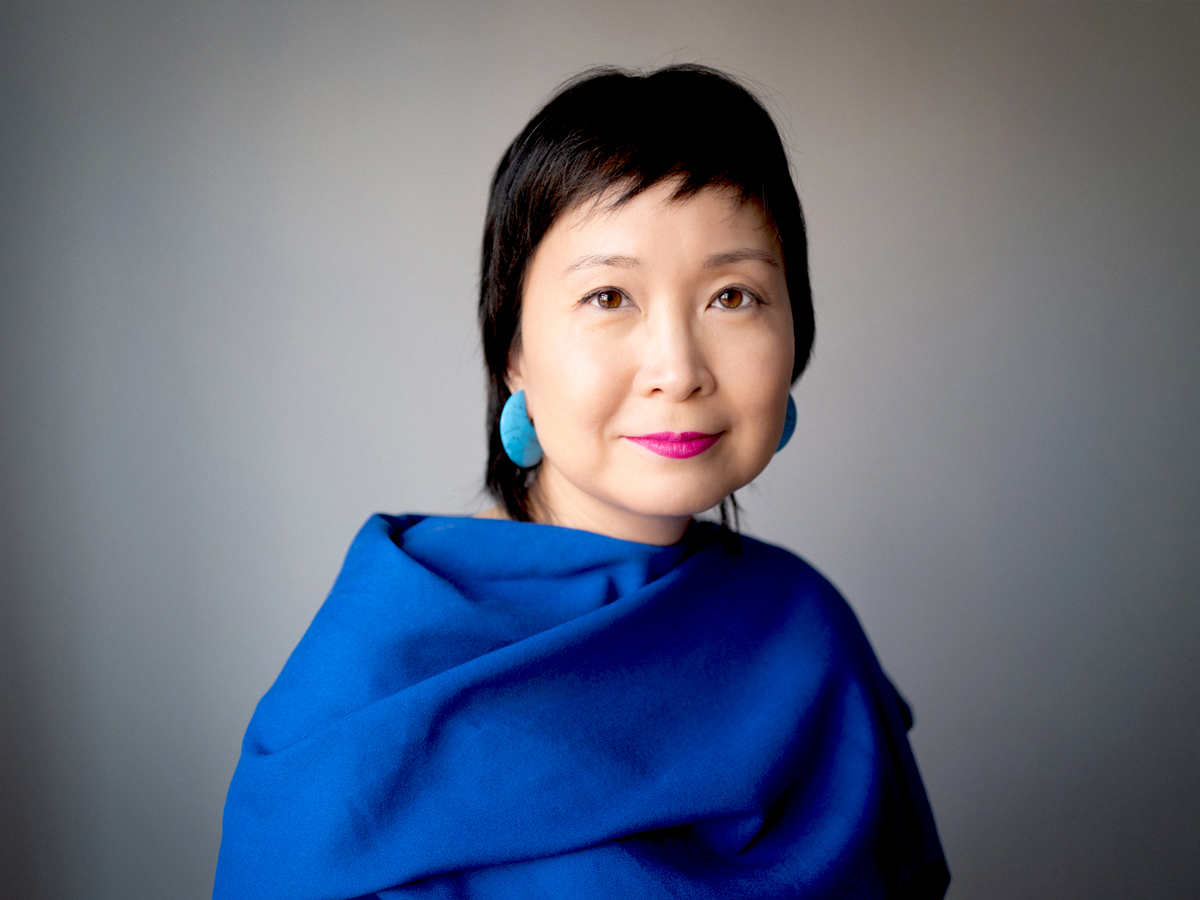
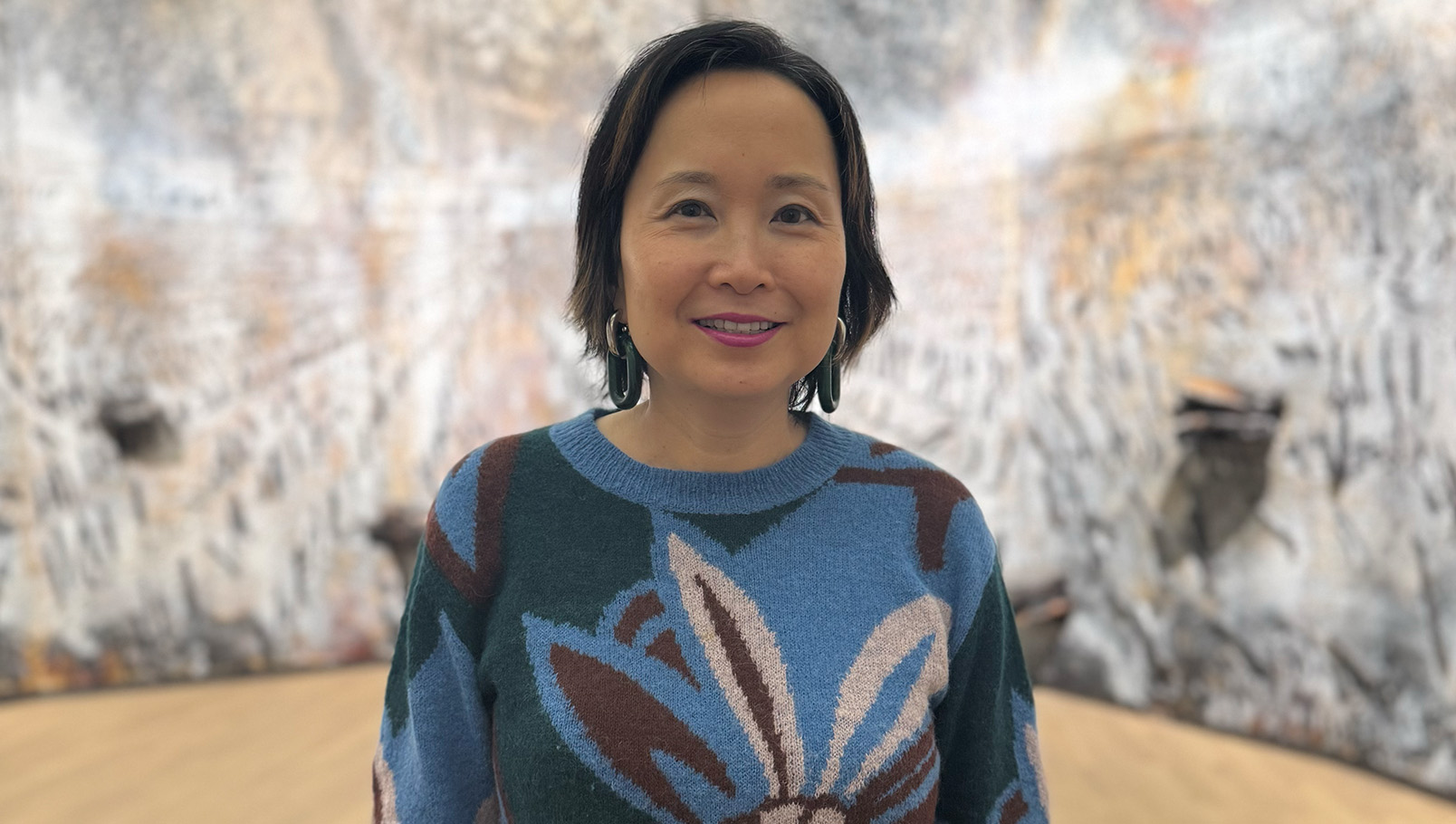
Joan Kee is the Judy and Michael Steinhardt Director and Professor at NYU's Institute of Fine Arts and Affiliated Faculty at NYU School of Law. She focuses on how modern and contemporary artworks intersect with diverse phenomena from legal jurisdiction to theories of digital communication. Read more about Joan
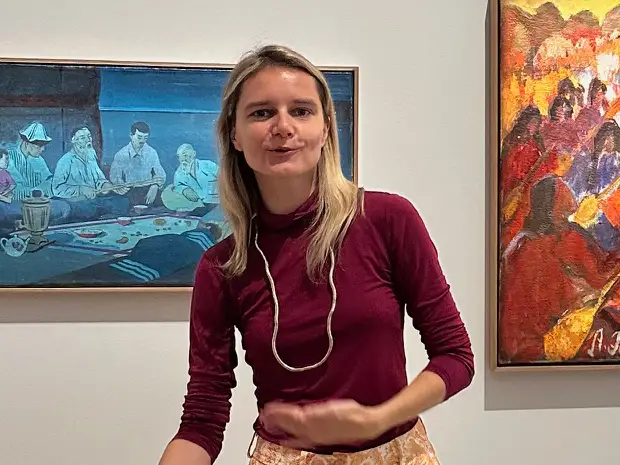
Inga Lāce is the Chief Curator of the Almaty Museum of Arts. She worked as Curator at the Latvian Centre for Contemporary Arts between 2012 and 2020. Her research specializes in modern and contemporary art across Soviet and Post–Soviet Eastern Europe, Caucasus, and Central Asia as well as its diaspora, with a particular focus on migration and transnational connections. Read more about Inga
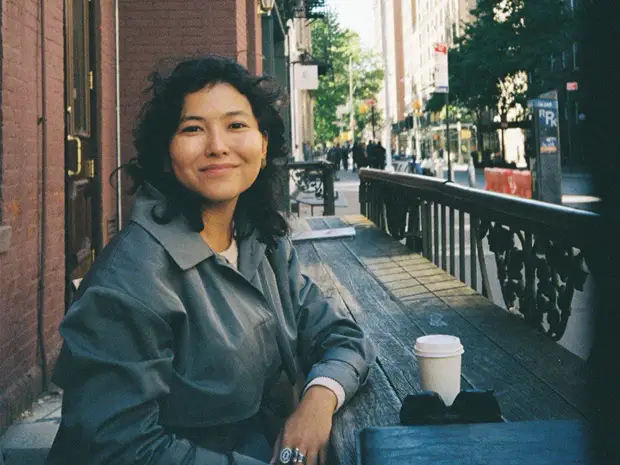
Anel Rakhimzhanova is a PhD candidate in Performance Studies at NYU, researching modernity, mobility, and performance in Central Asia. She is the editor of the exhibition catalogue Almagul Menlibayeva: I Understand Everything (Almaty Museum of Arts, 2025). Her writing has appeared in ARTMargins and Soviet Materialities (Manchester University Press, 2025).
Learn More
Core Participant Organizations and Projects
Astral Nomads – A bilingual (Russian/English) digital archive of contemporary Central Asian art launched in 2013, featuring books, videos, artist documentation, and project records organized by content creators (artists, institutions, events) and media type.
Bishkek School of Contemporary Art (BiSCA) Founded in 2020, BiSCA is a self-organised socially engaged collective which collects, encourages and promotes practices, discussions, experiences of art in its various mediums through many actions.
Center for Contemporary Art Arts Afghanistan in Exile Founded in 2004 as Afghanistan's first contemporary art center, the Center for Contemporary Art Afghanistan (CCAA) established the country's only women's art center in 2006 and held Afghanistan's first contemporary art exhibitions in 2008. Currently based in Frankfurt, Germany.
DAVRA – A research collective founded in 2021 by artist Saodat Ismailova to connect and develop the Central Asian art scene through regional knowledge exchange. Initiated as an extension of Ismailova's "Chilltan" project for documenta fifteen, DAVRA has produced publications reimagining Central Asian mythologies and curated Central Asian film and video screenings at major institutions including Eye Museum, Centre Pompidou, and goEast Film Festival.