

In Memoriam
Clemente Marconi, 1966–2026
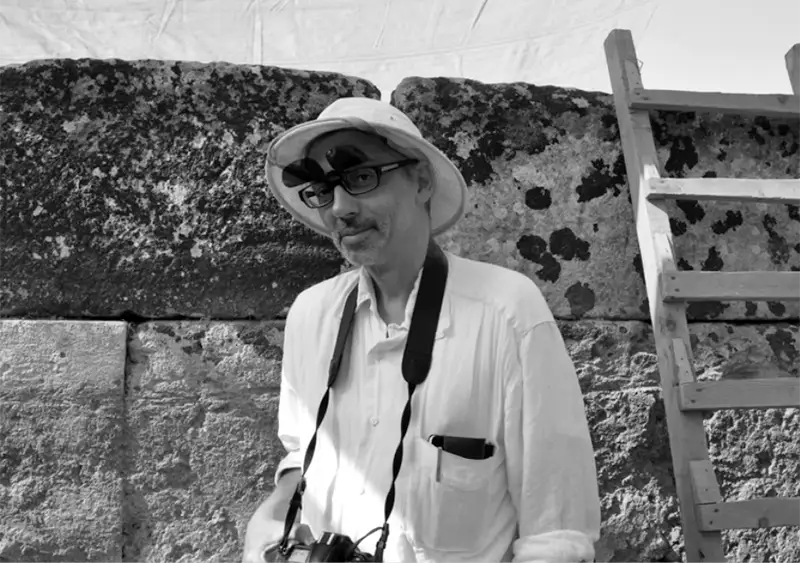
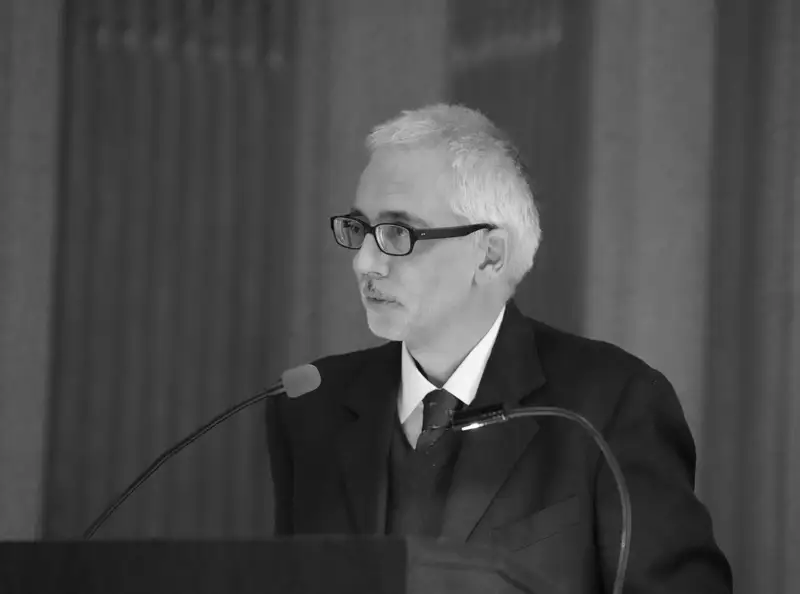
Clemente was the backbone, both intellectual and practical, of the ancient Mediterranean art and archaeology project at the IFA. He was a highly effective dynamo, always making things move in a good direction. Clemente had strong principles but also an infectious sense of humor that allowed him to get consensus. He liked to see the right interpretations prevail but disliked polemic and extreme positions. He will be long remembered for his ideas, his achievements at Selinunte, and his contributions to the exemplary record of the Institute’s archaeological fieldwork.
Listening to Clemente describe a typical day, uptown, downtown, interspersed with difficult medical procedures, was to understand the extraordinary commitment and iron discipline he brough to his work and to his subject. The large number of graduates who worked with him testify to his warm engagement with students and strong encouragement of their work. He will be hugely missed.
With an intellectual formation at La Sapienza in Rome and La Scuola Normale in Pisa, Clemente had the consummate ability to pursue broad questions in his field using history, archaeology, and ancient texts with equal ease. He taught at Columbia from 1999, then at the IFA from 2006, with a joint post at Milan from 2017. He has a big and impressive scholarly output – books, articles, edited books, exhibitions, reviews – devoted to subjects from pre-Greek Sikels to Picasso.
Clemente published widely in the material record of Greek cultural history – on theatres, performance, music, dance, religion, sacrifice, rituals, as well as pointed studies in the rich world of Greek figured ceramics. He is best known for his fundamental work on the abundant architectural sculpture of the sixth and fifth centuries BC applied to temples in Sicily, especially at Selinunte. He did serious time with the carved fragments from old excavations lying unloved in museum storerooms and excavation depots. This intense, unglamorous groundwork enabled him to speak on the subject with commanding authority. He knew all the evidence.
I knew Clemente well and always valued his views. I also greatly admire his published research and what he has done in the field at Selinunte. In his papers, Clemente often looks closely at single figured artefacts and brings to them a panoply of collateral phenomena to explain their strangeness. His work shows above all excellent judgement, about what we can know and what kinds of question our material can answer.
Clemente began his highly successful field project at Selinunte in 2006, in order to bring a sharper texture to the material history of early life with the gods in a western Greek settlement abroad. Within a generation or two of its foundation, the city’s prosperity and collective self-confidence were made visible in the building of several large columnar Doric temples, monumental statements of Hellenicity in a distant conflicted land. Clemente’s meticulous excavation project investigates the spaces and structures between, around, and beside the temples, extracting all kinds of new, fine-grained information about the time before the Greeks arrived; about their earliest temple structures (Temple R, with its fascinating foundation deposit); and about the rich life of a major archaic sanctuary complex.
The success of the Selinunte project has many visible measures, not least Clemente’s stature in Italian archaeology, and not least the palpable pleasure and enthusiasm of the many students who have had the opportunity to study early Greek history and archaeology with Clemente, close-up in a trench at the site.
The IFA has a lost a great scholar, teacher, archaeologist, colleague and friend.
R. R. R. Smith
Aphrodisias, August 2026